Why Gremlins Don’t Multiply in Snow

Viewers of 1984’s Gremlins have become quite familiar with the iconic three rules surrounding the Mogwai – or gremlins – featured in the film, though one rule has fans wondering why gremlins don’t multiply in snow. The three rules which warn not to expose the creatures to bright light, not to get them wet, and to never, ever feed them after midnight, have all become iconic. As for when a Mogwai or gremlin gets wet, they multiply, but the snowy setting of the original Gremlins comes with some potential contradictions.
The original film takes audiences to Kingston Falls, a snowy small town modeled after Bedford Falls from 1946’s It’s a Wonderful Life. It offers a nice contrast when the catastrophic gremlins begin their reign of terror and turn the otherwise cheery Christmas movie into a horror film. The gremlins build their numbers, in fact, by coming into contact with water throughout the movie. When traveling through the snow, which there’s plenty of in Kingston Falls, nothing seems to happen. It’s something that’s left fans scratching their heads for decades – though there is an official reason given for why gremlins don’t multiply in snow if you look hard enough.
Explaining Why Gremlins Don’t Multiply in Snow
Fans have speculated for years why snow wouldn’t have the same effect as water. As it turns out, the answer is in the Gremlins novelization from author George Gipe. While searching for Stripe after he escapes into the night, Billy Peltzer first theorizes why snow doesn’t have the same effect as water while speaking with Gizmo. Here’s what he stated:
“‘Giz, I just thought of something,’ Billy said. ‘Water makes you guys reproduce, right? And snow is just frozen water. But snow must not have had any effect on Stripe. Otherwise, this whole area would be crawling with those things. What are they called, anyway? They’re sure not Mogwai. They’re more like those things Mr. Futterman told me about. What did he call them? Grebblies? Gremlins? Yeah, that’s it. And to think, I thought he was crazy. Anyway, for water to make you reproduce it must have to be a warmer temperature. Stripe won’t find any water outside like that, so luck is with us.'”
The dialogue comes while Billy determines where Stripe could be headed. He eventually comes to the conclusion that Stripe has made his way to the YMCA, though there’s some additional theorizing about snow and why it doesn’t effect the gremlins:
“‘Outside, it’s dark and he’s free to move about as he pleases, but apparently the snow is too cold to use for reproduction,’ Billy reasoned. ‘Inside, there’s the thing he’s probably looking for – warmer water.'”
It’s certainly a wordy exposition that wouldn’t have worked as well in the movie. It does explain not only why gremlins don’t multiply in snow, but why Billy knew where Stripe was headed. Unfortunately, it’s a piece of obscure dialogue from an even more obscure book, so most modern fans are unaware of its existence. It’s nice to know that in some iteration of the film, however, the characters do acknowledge some of the inconsistencies that fans have been debating and discussing for decades. Gremlins is simply one of those movies that remains timeless – not unlike many of director Joe Dante’s other works including The Howling.
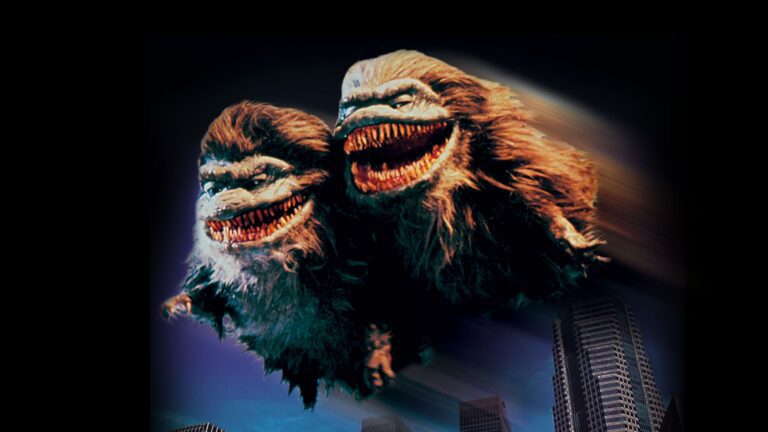
Now that fans know why gremlins don’t multiply in snow, however, there are still plenty of other discussions to be had. As such, fans can stay tuned to Brain Mutant for more Gremlins content as we have it. In the meantime, revisit our timeline for the Gremlins franchise, or try out another mini monster series like Critters. There’s always plenty of new material to uncover.